

Plastic Liner LDPE
Plastic Liner LDPE
Product Discontinued

Plastic Liner LDPE

MOQ : 100 Kilograms

Plastic Liner LDPE Specification

  • Product Name
  • Plastic Liner LDPE
  • Material
  • LDPE
  • Hardness
  • Rigid
  • Use
  • Agriculture
  • Color
  • White
 

Plastic Liner LDPE Trade Information

  • Minimum Order Quantity
  • 100 Kilograms
  • Supply Ability
  • 5000 Kilograms Per Month
  • Delivery Time
  • 7 Days
 

About Plastic Liner LDPE


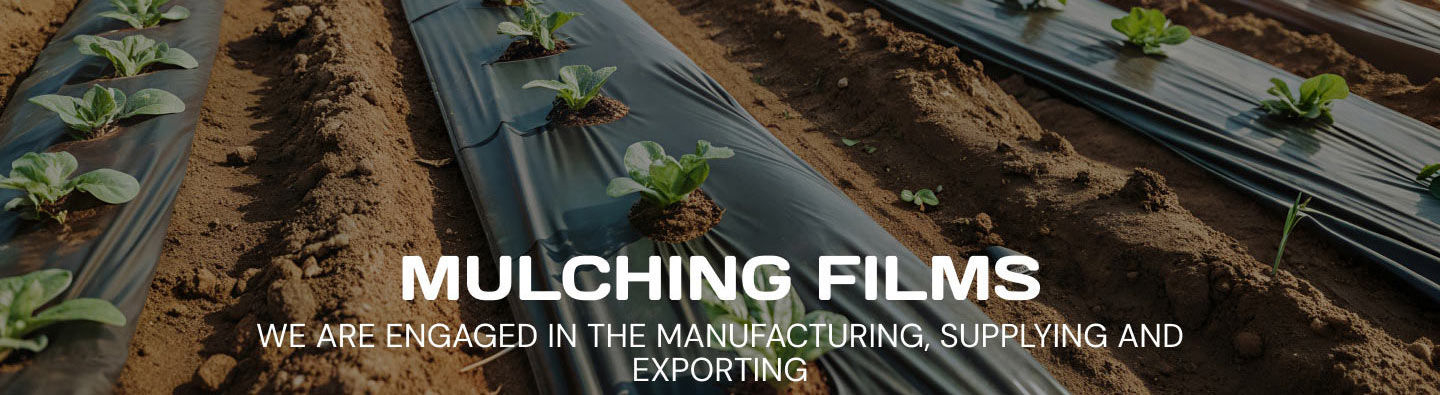
The Plastic Liner LDPE is a rigid and durable product that is specially designed for agricultural use. Made from high-quality LDPE material, this plastic liner is the perfect solution for protecting crops and plants from moisture, pests, and other environmental factors. With its white color, the liner provides a clean and professional look to your agricultural setup. This product is ideal for farmers, gardeners, and agricultural enthusiasts who want to ensure the safety and health of their crops. The Plastic Liner LDPE is easy to install and can be used for a variety of applications in the agricultural industry.

Material Polythylene
Thickness 12mm
Color Transparent
Usage/Application Agriculture
Density LDPE
Packaging Type Box
Product Type Plastic Liner LDPE
Country of Origin Made in India


FAQs of Plastic Liner LDPE:


Q: What is the hardness of the Plastic Liner LDPE?

A: The Plastic Liner LDPE is rigid and durable, making it ideal for agricultural use.

Q: What is the color of the Plastic Liner LDPE?

A: The Plastic Liner LDPE comes in a white color.

Q: What is the use of the Plastic Liner LDPE?

A: The Plastic Liner LDPE is specially designed for agricultural use, providing protection to crops and plants from moisture, pests, and other environmental factors.

Q: What is the material used to make the Plastic Liner LDPE?

A: The Plastic Liner LDPE is made from high-quality LDPE material.

Q: Who can use the Plastic Liner LDPE?

A: The Plastic Liner LDPE is ideal for farmers, gardeners, and agricultural enthusiasts who want to ensure the safety and health of their crops.


Back to top
